HEYEROBOTICS
Discuss a data pilot

FOR PHYSICAL AI MODEL TEAMS

Risk data and model evaluation
for physical AI.

HEYE designs, produces and annotates targeted data for rare physical-world interactions. We also build evaluation sets that show where a model fails under defined conditions.

Now seeking model-team partners for scoped research and pilot projects.

What a scoped pilot can deliver

01Risk scenario specification

Define the failure modes and conditions to cover.

02Targeted, annotated data

Build cases with documented labels and quality checks.

03Evaluation set and gap report

Measure model behavior across agreed risk conditions.

Also exploring scenario validation for autonomous systems

ILLUSTRATIVE WORKFLOW / SYNTHETIC CASE

One missed interaction.
A better test.

Follow a synthetic warehouse case to see how one failure becomes targeted scenarios, repeatable tests and a clearer decision. The numbers on this page are illustrative.

FIND THE GAPDefine the risk conditions

TEST THE CHANGECompare against retained cases

Synthetic warehouse case

One update.
Many edge cases.

A reference model shows how failure data can guide the next software test.

01 The update

Faster. Still safe?

Top speed rises from 1.0 to 1.6 m/s. A worker walks the same aisle every day.

02 Discover

75 of 135 variations fail.

Same aisle; only the worker's timing, sensing delay and visible distance change. The current release passes all 75.

03 Replay

Seen 0.28 s before contact.

The rack end hides the worker. At 1.6 m/s the robot needs 1.07 m to stop, but contact comes 0.40 m after first sight.

04 Fix

Slow down at blind corners.

Lens tries a corner speed cap of 0.85 m/s. Stopping distance falls from 1.07 m to 0.30 m, and the robot stops 0.36 m short.

05 Retest

4 of 6 retained cases pass.

The speed limit resolves the reference case; two other cases still fail. Those failures remain in the regression set for the next iteration.

Open a failure in Lens: Later step-out Offset path, slow sensing

The workflow

From failure to evidence.

Prism identifies the cases; Lens compares updates and retains the results. Halo represents a future extension into operation.

How we can work together

Turn model failures
into data and tests.

For physical AI model teams, we turn defined risk cases into labeled data and separate evaluations. For autonomy teams, we can also test software updates against repeatable scenarios.

01 / PRIMARY OFFERScoped pilots

Risk data and model evaluation.

For physical AI model teams

We define the risk conditions a model must handle, produce and annotate targeted cases, and evaluate performance on a separate test set. The dataset, labels and scoring criteria are agreed for each project.

Illustrative scope

For a navigation model, examine people emerging from occlusion. Vary visibility, timing and behavior; create documented examples and held-out tests for those conditions.

Potential deliverables: risk scenario specification, annotated dataset, evaluation set and model gap report.

Scope a data pilot
02 / RELATED PILOTScoped pilots

Scenario validation for autonomous systems.

For autonomy teams

For a defined task and operating environment, we can turn a failure into repeatable tests, compare software versions under matched conditions and document the remaining risks.

Illustrative scope

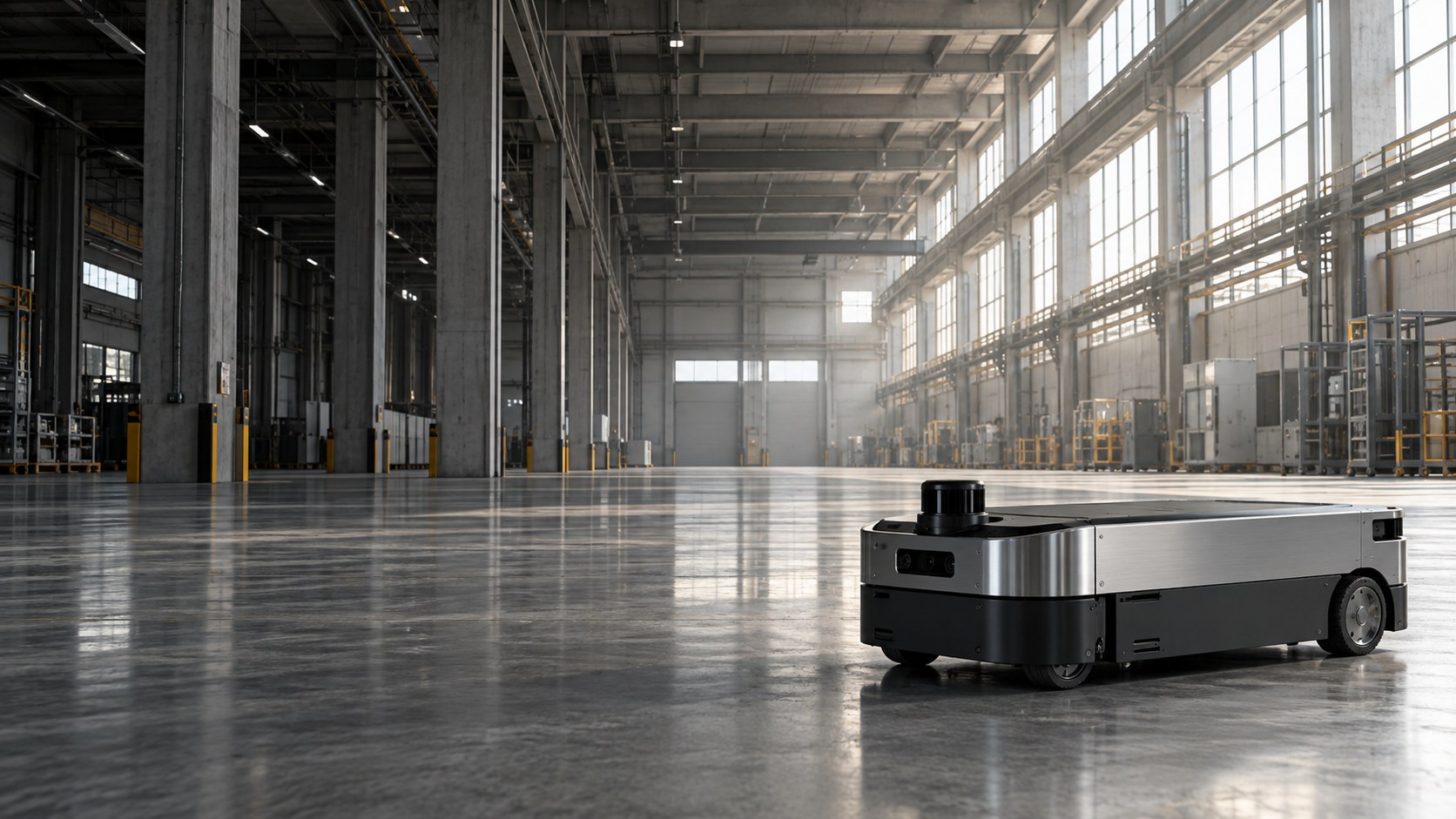
A warehouse robot passes a routine aisle test but fails at a blind corner after a speed update. Test the crossing at different speeds and worker timings before advancing the change.

Potential deliverables: regression cases, version comparison and an evidence report.

Discuss a validation pilot
See a data pilot scope

DATA & EVALUATION / PILOT SCOPE

Start with one model gap.

We agree on a target capability, risk conditions and data access. A scoped project can then produce documented data and a separate evaluation set, followed by a report on where the model succeeds and fails.

The example figures below are from a synthetic reference model. They illustrate a possible evaluation format, not a HEYE customer result.

Illustrative synthetic case: 135 variations of a blind-corner crossing; 75 fail in the faster update.
0variations generated from one failure mode
0seconds between seeing the worker and contact
0retained cases passing after the fix
01

Define

  • Choose one model capability and risk interaction.
  • Agree on data sources, usage rights and target conditions.
  • Set the annotation and evaluation criteria.
02

Build

  • Collect or curate targeted examples.
  • Annotate cases and document quality checks.
  • Keep a separate set for model evaluation.
03

Evaluate

  • Measure performance by risk condition.
  • Identify coverage gaps and failure patterns.
  • Deliver the dataset, test set and gap report.
Explore the synthetic workflow

INTERACTIVE CONCEPT / SYNTHETIC CASE

See the method in motion.

This synthetic warehouse example illustrates how risk scenarios can be generated, tested and retained. Prism, Lens and Halo are workflow concepts here, not evidence of a customer deployment.

Warehouse aisle, blind corner

Seed scenario

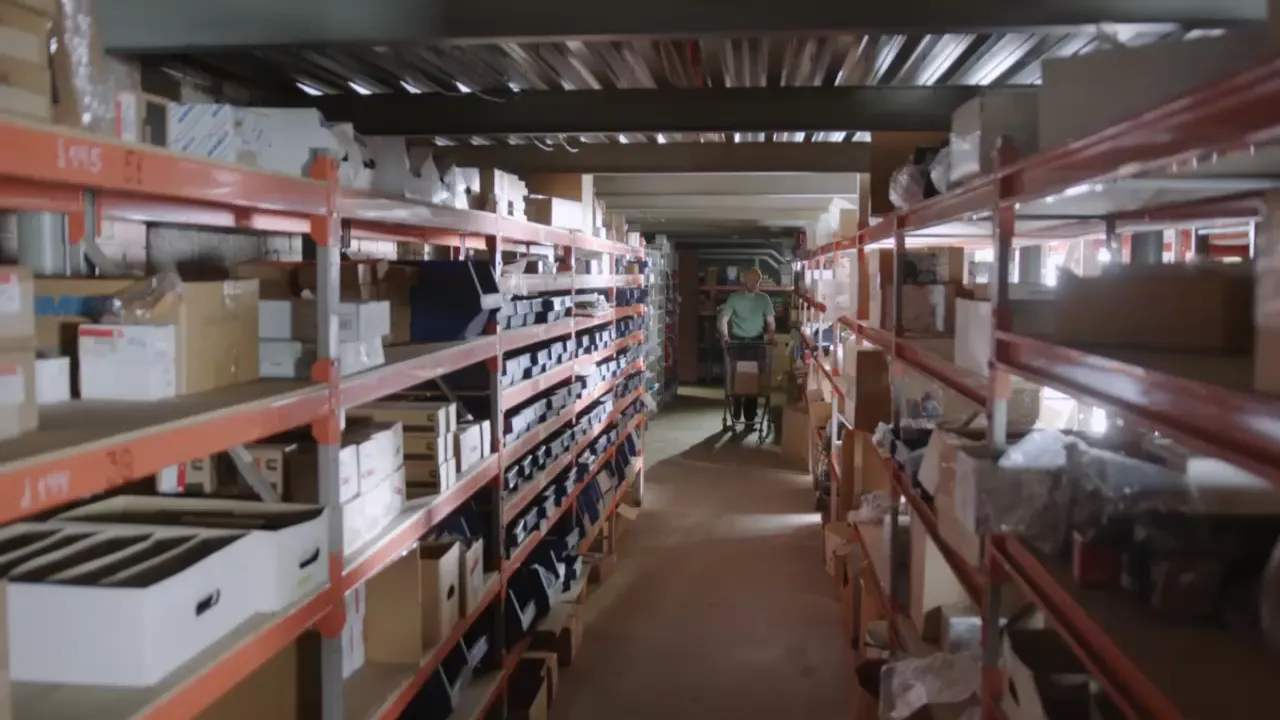
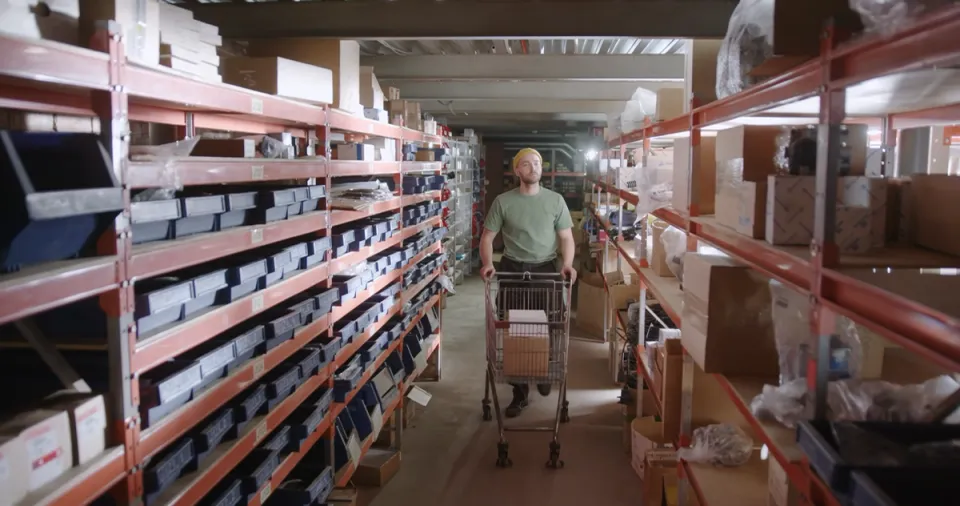
Illustrative aisle video, one blind corner

Varied

Worker steps out
0.1–1.7 s
Sensing delay
80–560 ms
Visible from
0.65–1.4 m
0variations generated
0regressions against the baseline

    Case synthetic reference model

    Start here: switch to the fix and see what changes.

    Build

    First seen
    Stopping distance
    Closest

    Runtime concept Future concept

    Speed1.60m/s
    Risk0.00

      Visual tracking follows the sample video; speed and risk values are illustrative.

      RESEARCH BEHIND THE SERVICE

      How we find the cases that matter.

      Our research informs how risk cases are selected, varied and evaluated. The visuals below illustrate methods under investigation, not deployed customer systems.

      Scroll, or use the arrows

      01 SCENARIO DESIGN

      Turn a risk into test conditions.

      Specify what changes across a case: who appears, what is visible and when the model receives that information.

      02 BEHAVIOR CHECKS

      Measure decisions against constraints.

      For each scenario, define an expected behavior or operating limit, then inspect where a proposed action fails it.

      03 TEST AUTOMATION

      Make failures repeatable.

      A proposed workflow groups failures, compares versions and records the conditions needed to reproduce a result.

      04 COVERAGE SEARCH

      Find what the current set misses.

      Compare a new search strategy with held-out cases to see whether it finds additional failures.

      Illustrative risk contexts

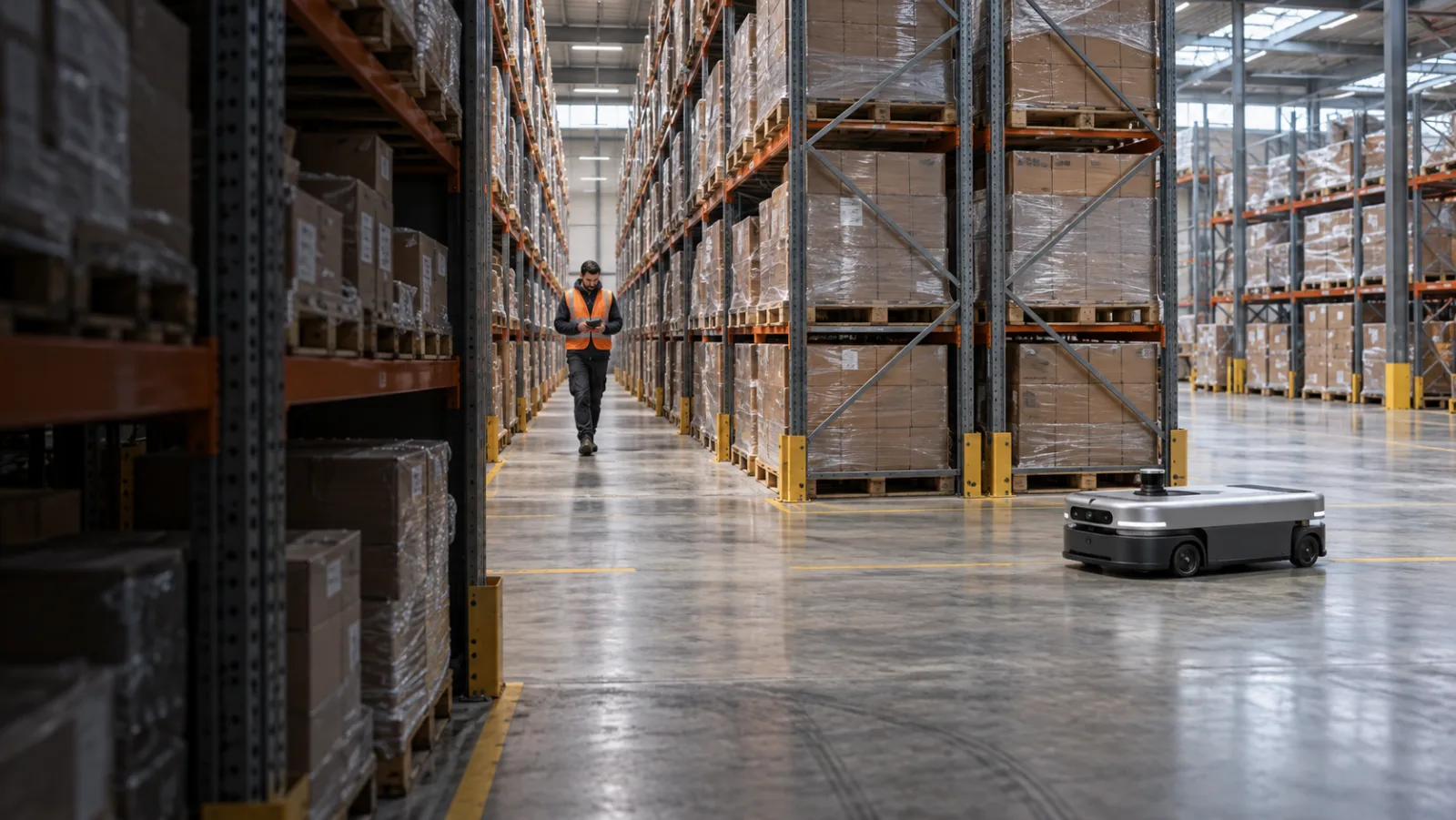
      1. illustrative domainWarehousesPeople emerging from occlusion near mobile robots.
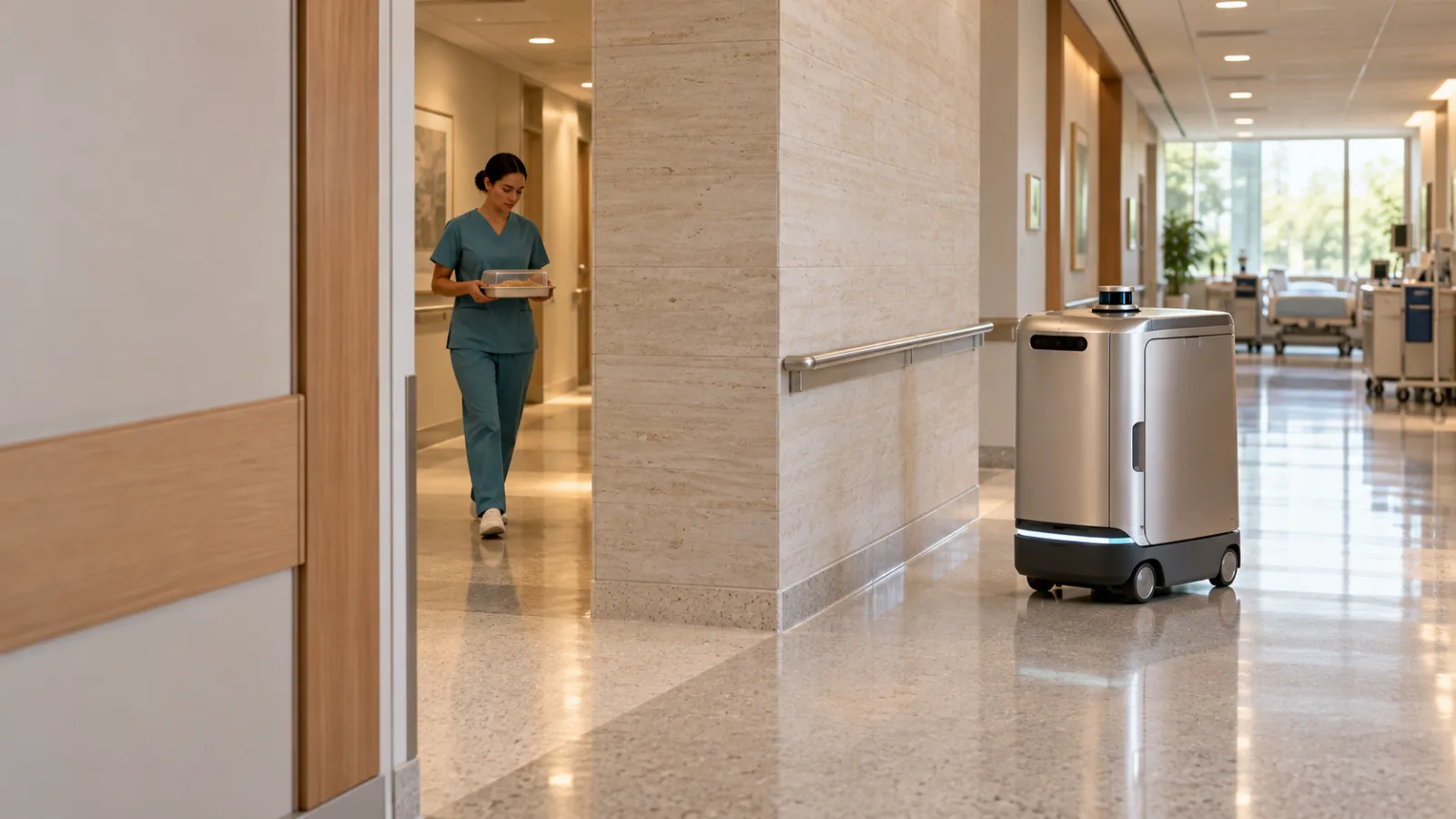
      2. illustrative domainHospitalsShared corridors with patients and staff.
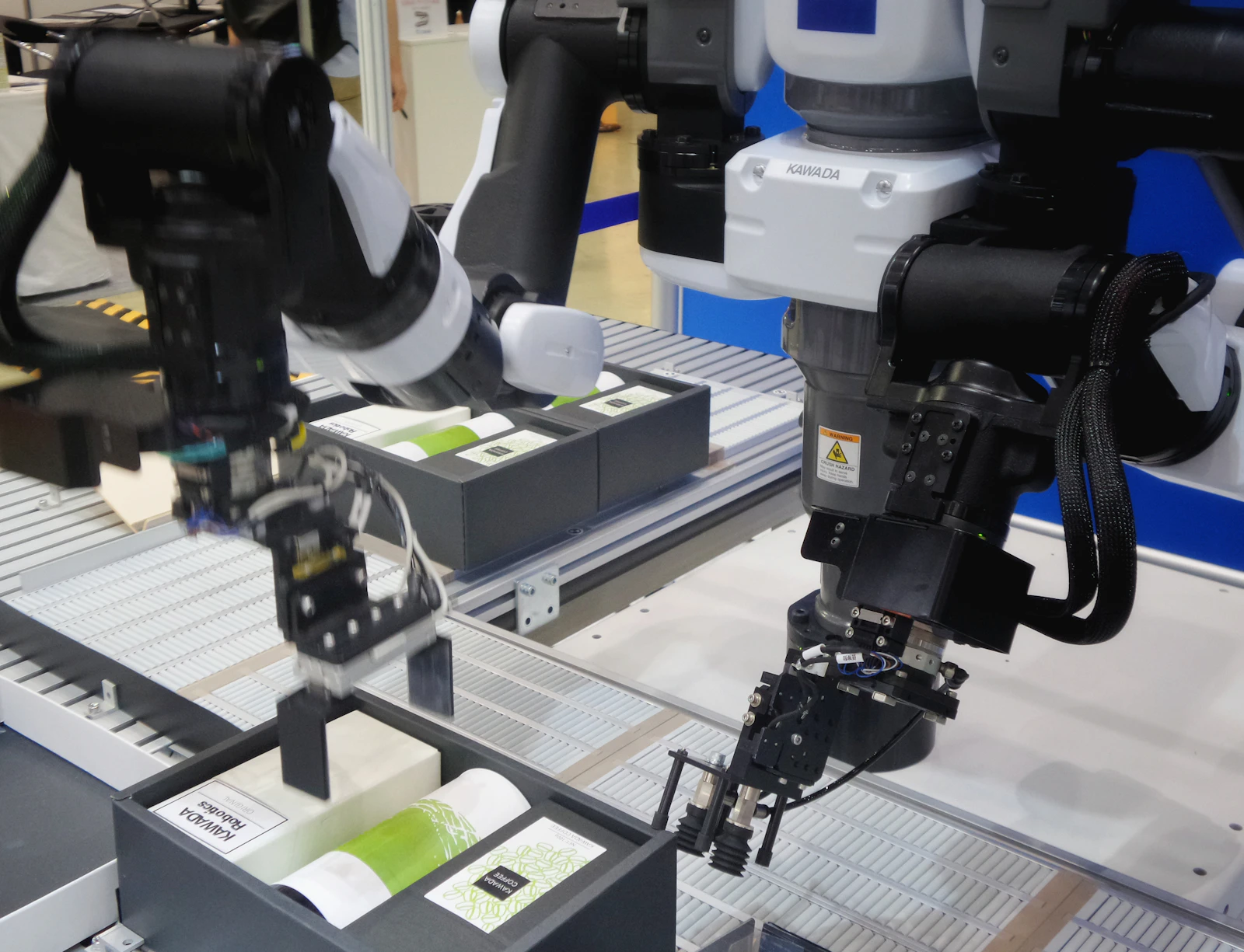
      3. illustrative domainManipulationHuman hands and robot grippers in one workspace.
      4. illustrative domainStreetsOccluded pedestrians and rare road interactions.

      The founder

      Research into risk.Built for real systems.

      Heye Huang
      Heye Huang · Founder

      Founder · Assistant Professor, KAIST

      Heye HuangPh.D.

      Heye Huang’s research spans risk prediction, scenario generation and autonomous-system safety. That work informs HEYE’s approach to risk data and scenario-based validation.

      Former MIT SMART postdoc and UW–Madison research associate. Ph.D., Tsinghua University.

      1,389
      Citations
      22
      h-index
      30+
      Journal papers
      40+
      Co-held patents

      Founder’s academic record. Scholar snapshot: 8 Oct 2026. Papers: SCI/EI-indexed journals; patents: co-held inventions.

      Selected research & sources

      Academic driving-domain research. Indoor robot dynamics and operating limits require separate validation.

      Founder’s academic research

      Selected academic work.

      Selected collaborative studies in data, scenario generation and physical autonomy. Follow each source for the original context.

      These are academic collaborations involving Heye Huang, not HEYE customer trials or evidence that these systems are shipped by the company. The video is an electric-vehicle study, not mobile-robot footage. Read the coauthored paper. ↗

      DATA & EVALUATION PILOTS

      Tell us what your model misses.Let's define the right data.

      Share the target model and capability, the risk cases you need to cover, and any available data or test access. We can define a pilot scope, data deliverables and evaluation criteria together. Autonomy teams can also contact us about scenario validation.

      Discuss a data pilotdaixianjie@heyerobotics.com

      Company contact

      Work with HEYE

      Work on hard cases.Build better evidence.

      We welcome introductions from researchers and engineers working on risk data, simulation, evaluation and autonomous systems. Tell us what you have built and the problems you want to solve.

      Introduce yourself